

Artemis II
Written By: Rashawn Merchant
Nearly 60 years after the original Apollo Moon missions, the crew of Artemis II has successfully returned to Earth. Strikingly, the Apollo and Artemis missions carry intertwined similarities that both engage critically with our current society and where we see humanity in the future. It’s amazing to think that an achievement that is quite literally astronomical is revered by some and disregarded by others. There are many perspectives to see why that is the case.
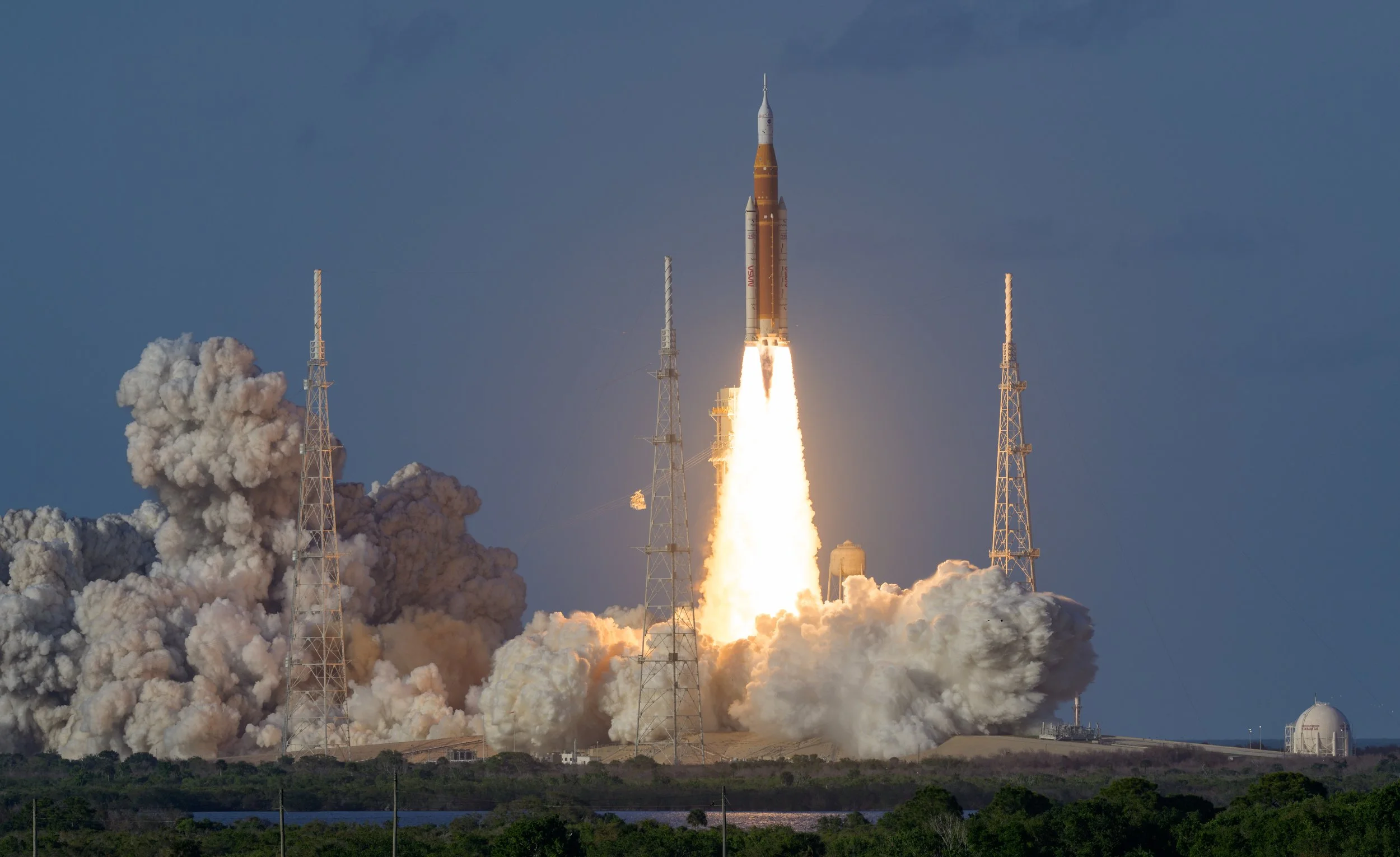
Artemis II Launch
Nasa
First and foremost, the purpose of the Artemis II mission was to test our capability for deep-space travel. Similar to the past, we’ve studied how to use gravity to increase our distance without wasting so much energy on fuel. The long-term goal of NASA’s newest space program is to return people to the moon’s surface to set up space stations for continuous travel to Mars. A special aspect of the mission was the crew's diversity. The astronauts involved were Victor Glover, Christina Koch, Jeremy Hansen, and Reid Wiseman, who carried characteristics such as becoming the first African-American, woman, and Canadian to travel this far from Earth. This range of representation indicates a new age of space travel where multiple perspectives and lived experiences come together for technological advancements.
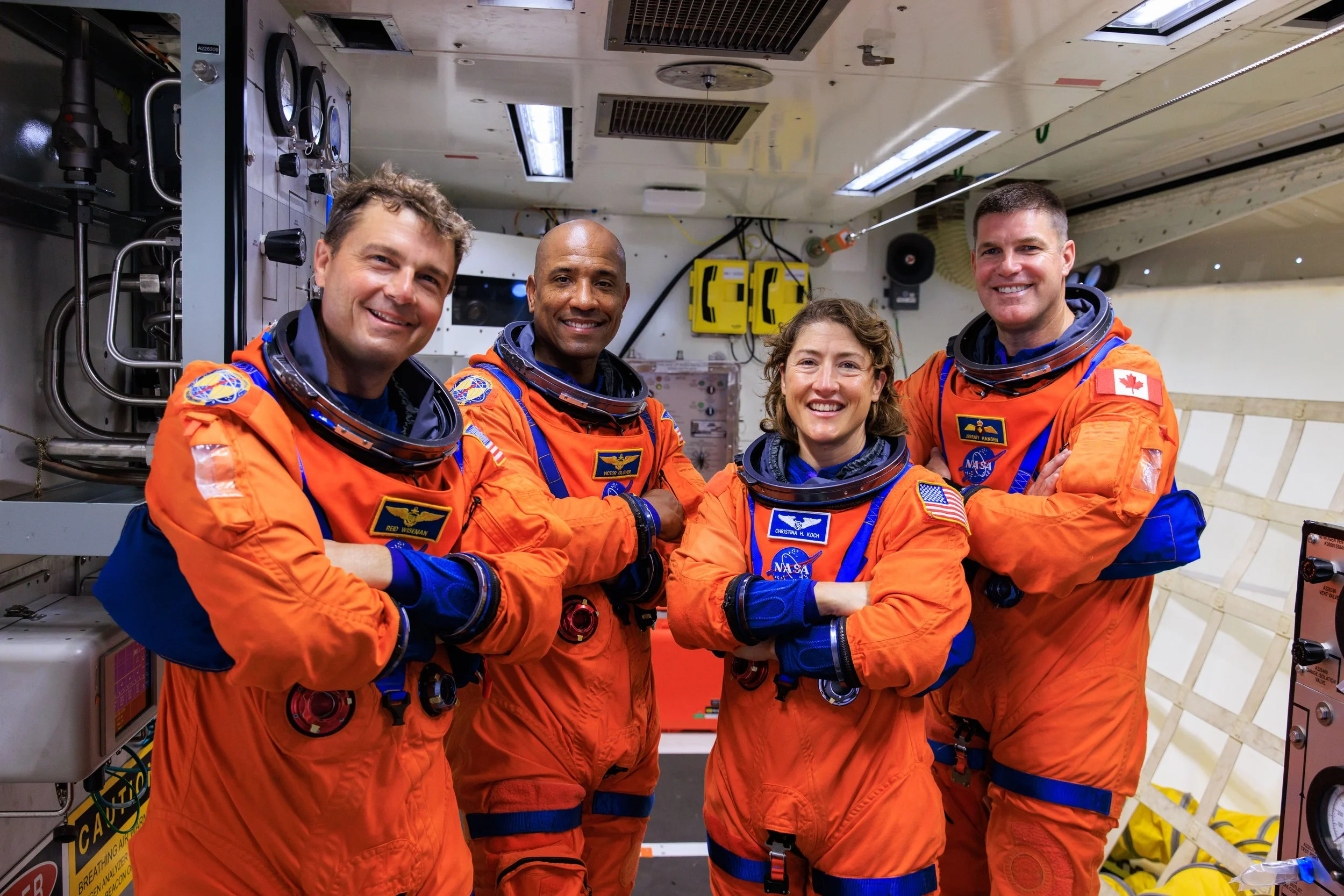
Artemis II Astronauts
NASA
The crew successfully completed a 9-day journey that involved an initial launch from Florida’s John F. Kennedy Space Center. The mission then proceeded with an initial 24-hour orbit of Earth, followed by a journey toward the Moon. Furthermore, the special part about the crewed mission’s approach to the Moon was that the astronauts would fly around the Moon and use its gravitational pull to whiplash around as an added boost back toward Earth. This part of the trip was especially significant because the astronauts captured some of the greatest space photos we’ve ever seen.

Nearside of the Moon
NASA
One photo in particular, now named Hello, World, was taken by Reid Wiseman and showcases an Earth that is lit up by the reflection of the Moon. In this photo, Africa is vividly visible, with a bright, glowing Venus at the bottom right.
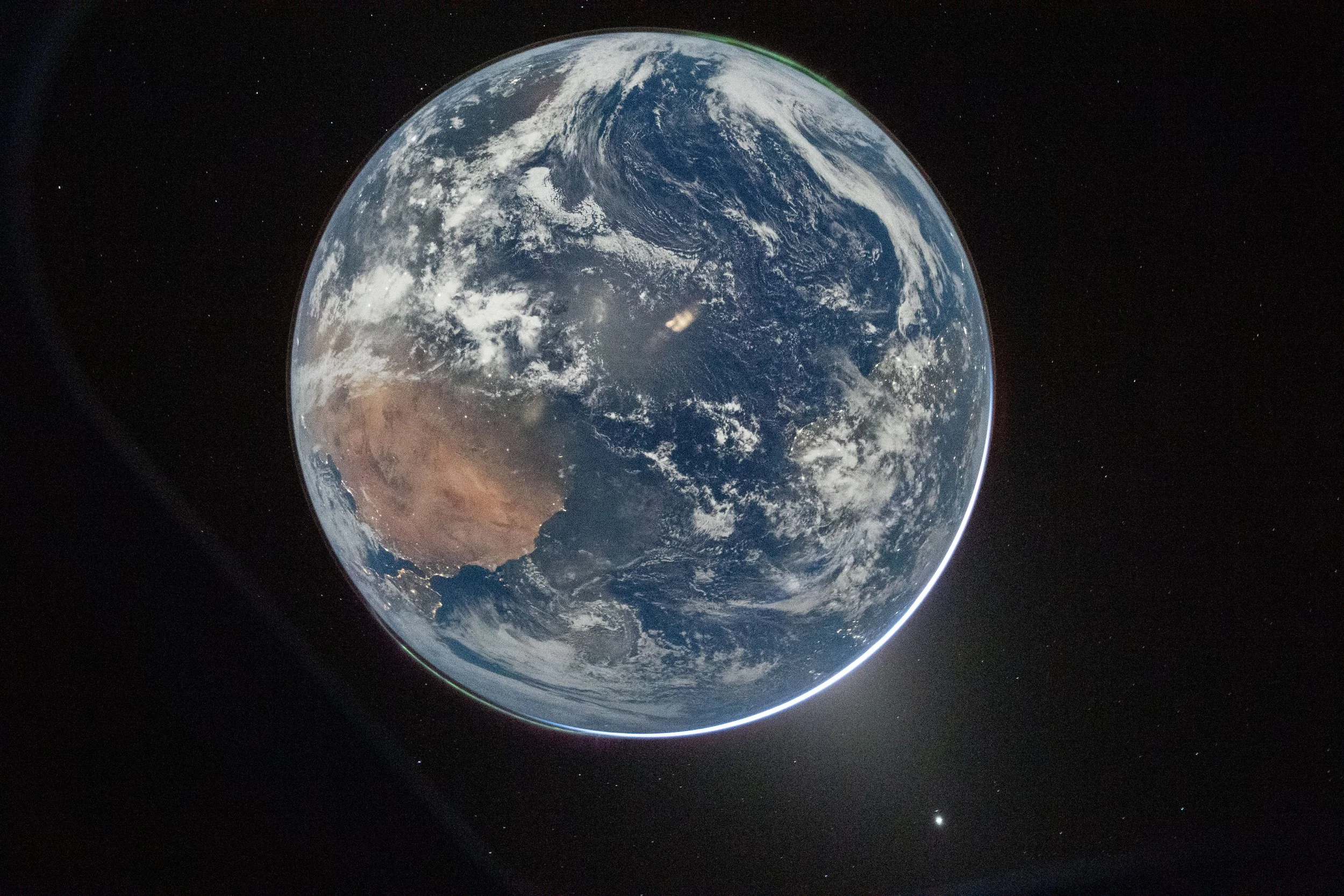
Hello, World
Nasa
As the astronauts reflected on their thoughts, they shared that seeing the Earth from this view enabled them to see humanity as a whole, devoid of our current ongoing conflicts. This messaging resembles the sentiment from 1969, when war, assassinations, and political strife were just as apparent as they are today. In 1972, astronaut Harrison Schmitt snapped a photograph titled The Blue Marble that became a focal point for us to recognize our place in the universe.
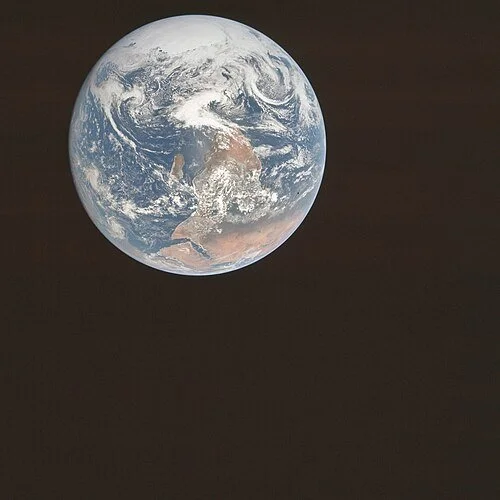
The Blue Marble
Nasa
While we often harp on day-to-day problems, it’s vital to remember that we are merely a dot in the grand scheme of all things created. At the same time, as world leaders continue to inflict harm on the planet, they should remember that, for now, this is all we have.
On day 9, the astronauts returned to Earth’s atmosphere and barreled down at an astonishing 24,000mph. There was initial concern for the astronauts' safety due to earlier problems with the protective heat shield surrounding the space capsule.
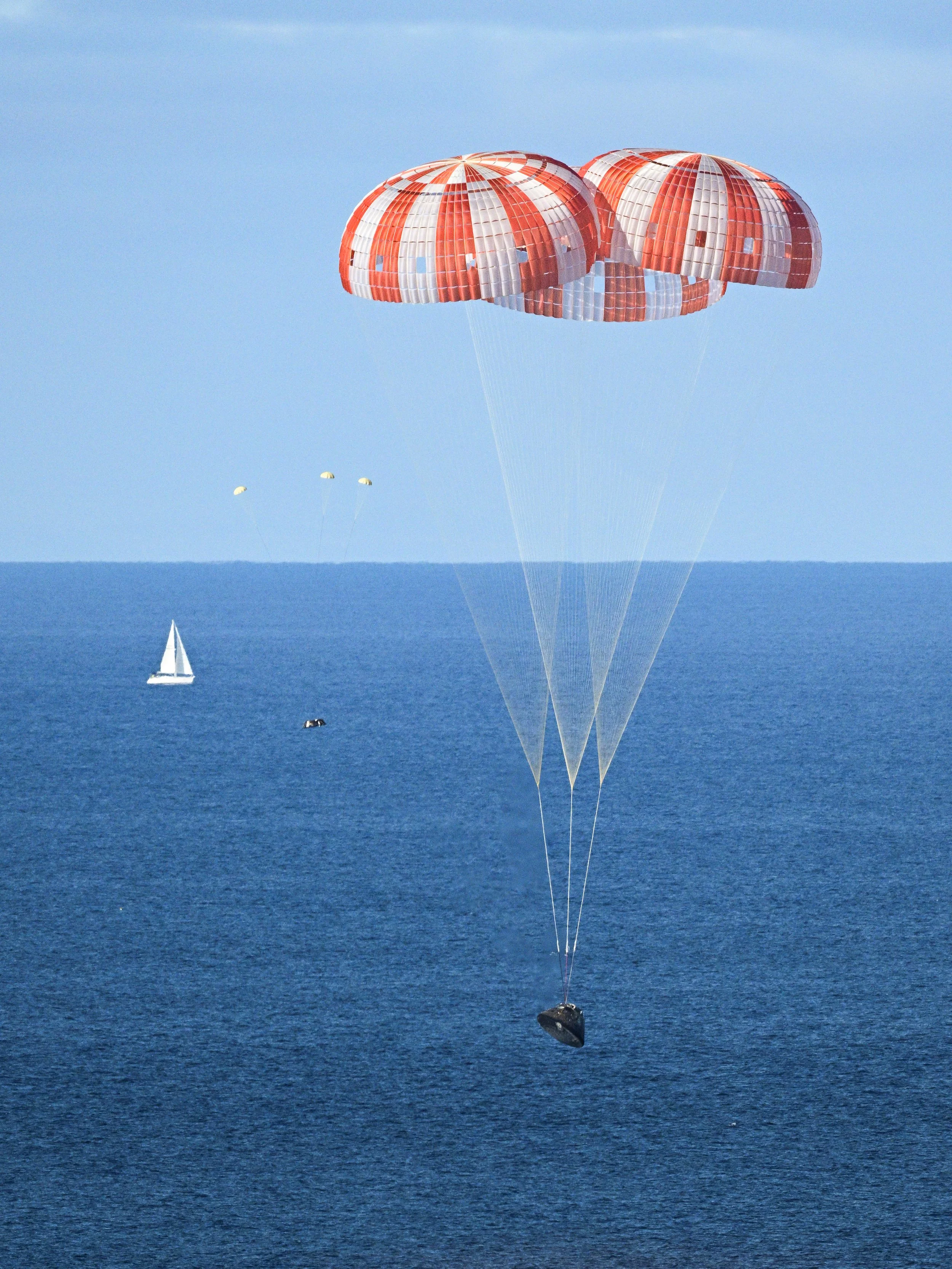
Artemis II Recovery
NASA
All in all, we must recognize the achievements of the space program while also noting its implications for our society's functioning. If we are to thrive as a species, it is essential that we treat each other with respect and work toward shared goals. The Artemis mission serves as an example of how to successfully accomplish this collaboration.
Thanks for reading!
Copyright 2026 Earth Shiners Creative LLC
